Designing for Security: UX as the First Line of Defense

THE RISE OF EVERYDAY ATTACKS
Phishing, account takeovers, SIM swapping, and social engineering attacks are becoming more frequent and more sophisticated. Attackers don’t exploit systems — they exploit people. UX plays a critical role in helping users recognize risk, understand consequences, and avoid irreversible actions.
SECURITY UX IN FINANCIAL PRODUCTS
In financial applications, errors are expensive. UX must slow users down at the right moments. Clear transaction summaries, readable confirmations, and explicit warnings help users make informed decisions. Security should feel protective, not obstructive.
DESIGNING EFFECTIVE AUTHENTICATION FLOWS
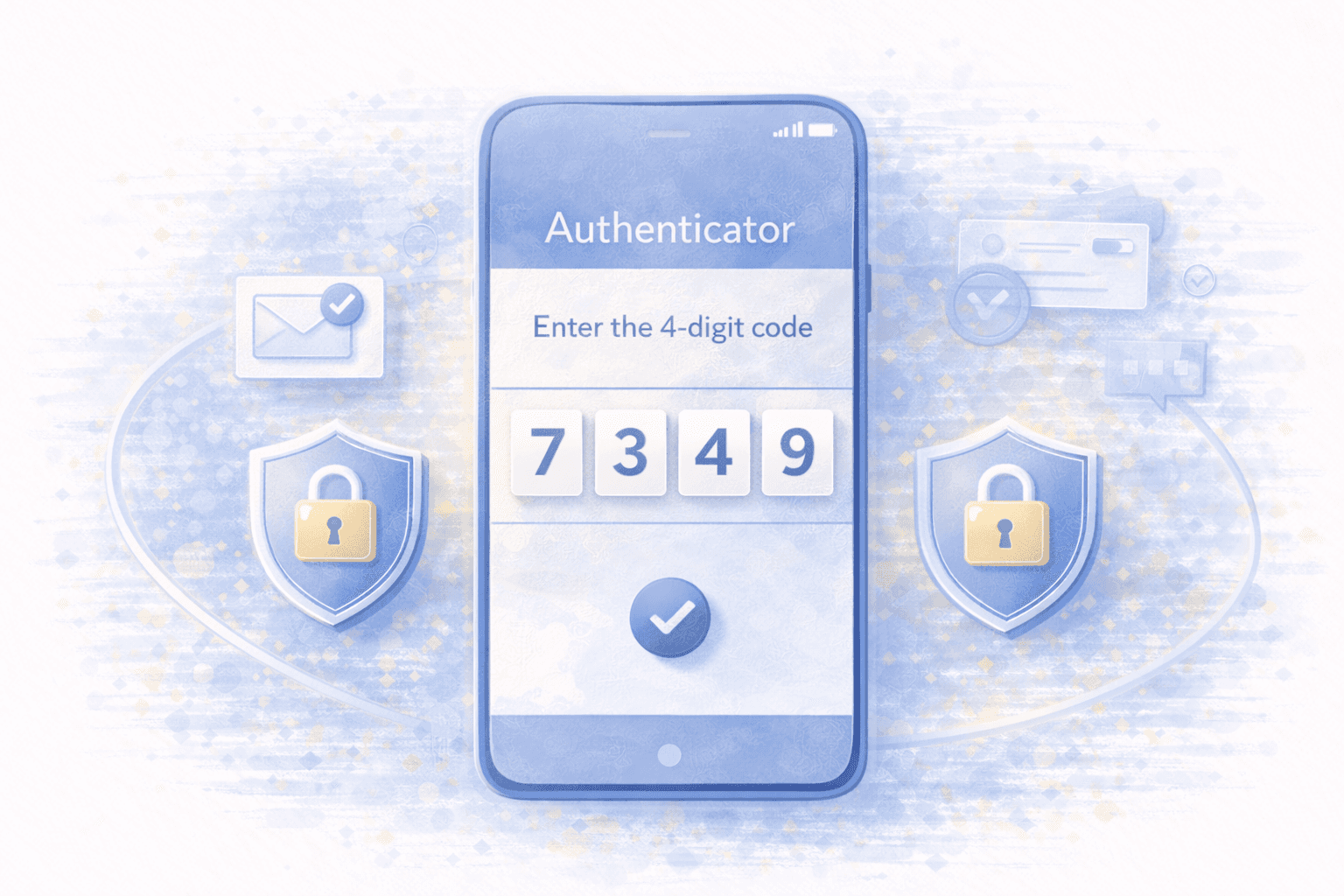
Features like 2FA, biometric login, or email confirmations only work if users understand them. Poor UX turns strong security into friction. Well-designed flows explain why an extra step exists, when it matters, and how it protects the user — increasing adoption instead of bypassing.
PREPARING FOR A POST-QUANTUM WORLD
Quantum computing introduces new security challenges, especially for encryption-based systems. While users don’t need to understand quantum mechanics, UX designers must anticipate a future where trust models evolve. Clear security states, adaptive authentication, and transparent recovery flows will become even more important as technical complexity increases.
FINAL THOUGHTS
Security is not just a technical problem — it’s a design responsibility. UX is the layer where safety becomes understandable and actionable. In a world of growing cyber threats, especially in financial products, designing secure experiences is not optional. It’s how we protect users, trust, and long-term product value.

LATEST BLOG