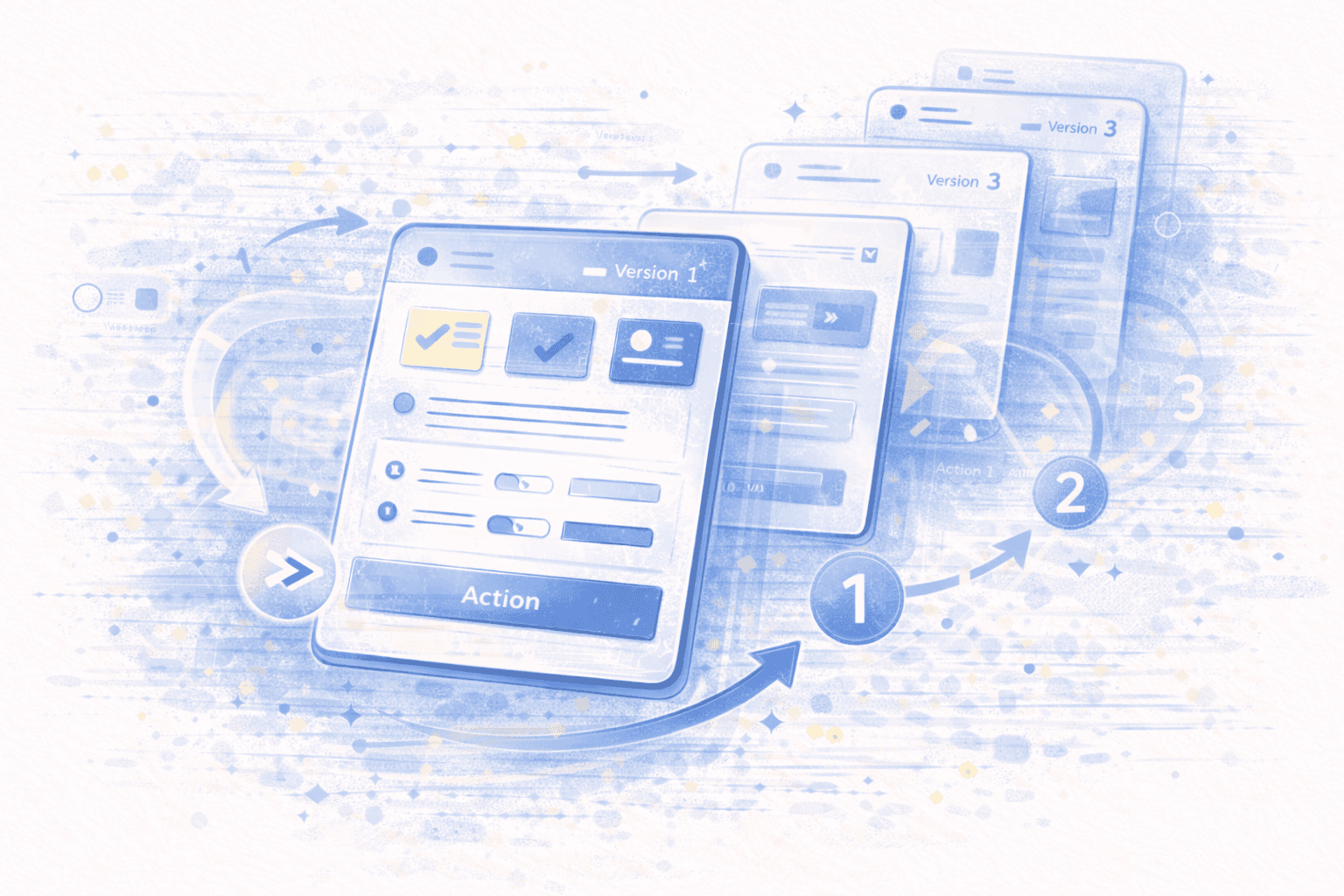
Designing with AI: From Interfaces to Intelligent Experiences
AI AS A DESIGN THINKING ACCELERATOR
In early stages, AI helps me explore directions quickly. From reframing problem statements to generating alternative flows or edge cases, it acts as a thinking partner. This allows me to spend less time on blank states and more time evaluating what actually makes sense for users.
USING AI TO EXPLORE FLOWS AND EDGE CASES
AI is especially useful when mapping complex user journeys. I use it to stress-test flows, surface edge cases, and challenge assumptions. This doesn’t replace research, but it helps me arrive at better questions before testing with real users.
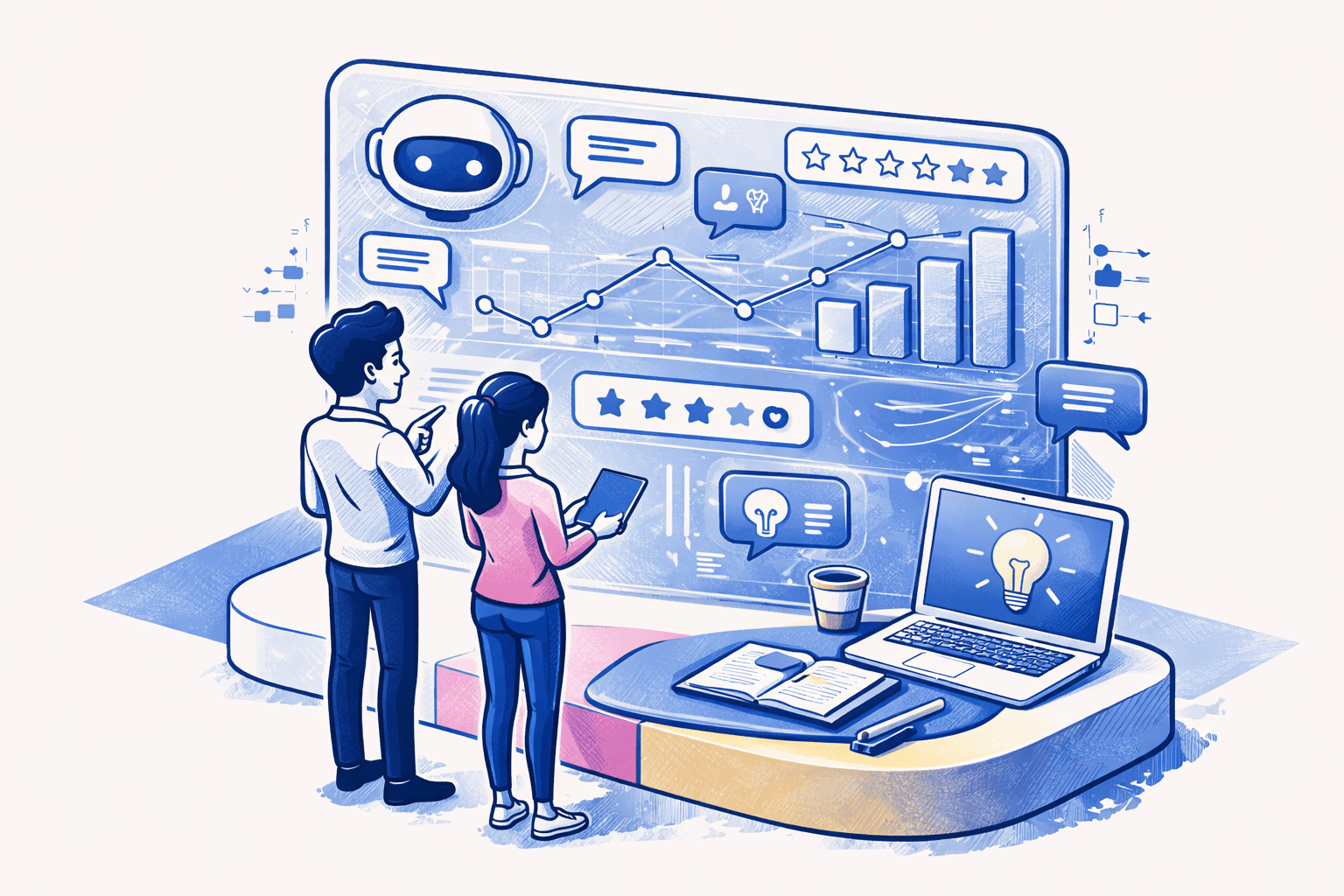
DESIGNING AI-POWERED INTERFACES
When AI becomes part of the product itself, UX takes on a new responsibility. I focus on making AI behaviors understandable: setting expectations, showing confidence levels, and designing feedback loops. The goal is not to hide complexity, but to make it usable.
COLLABORATING BETTER WITH AI AND DEVS
AI also improves collaboration. It helps translate ideas into know-how—supporting specs, clarifying logic, and aligning with developers earlier in the process. This reduces friction and keeps design grounded in what can actually be built.
FINAL THOUGHTS
For me, designing with AI is about leverage, not shortcuts. It sharpens thinking, accelerates iteration, and improves decision-making. The real value of AI in UX isn’t automation — it’s enabling designers to focus on what matters most: clarity, intent, and meaningful user experiences.

LATEST BLOG