Designing Web3 Products: UX Beyond the Wallet
THE UX GAP IN WEB3
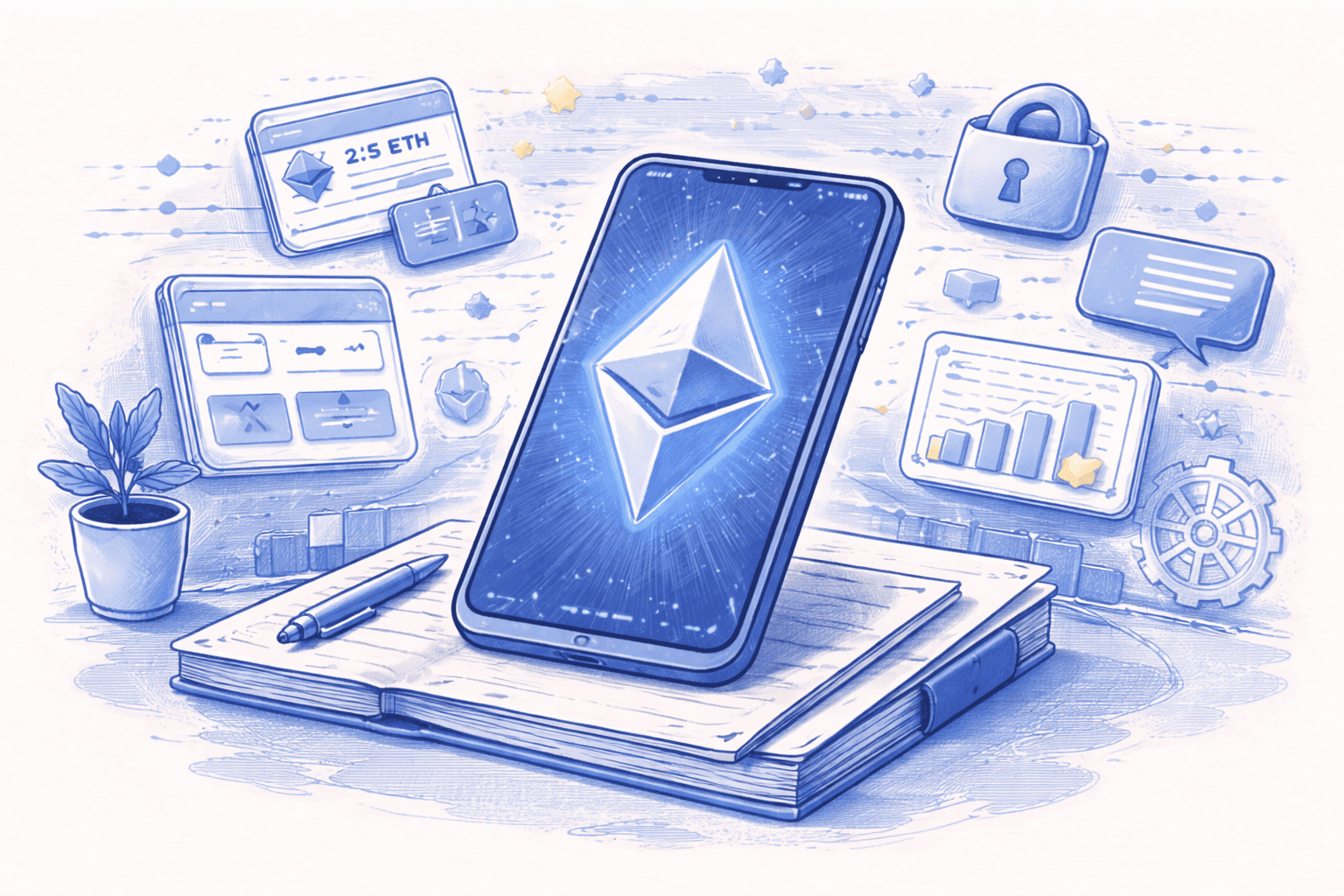
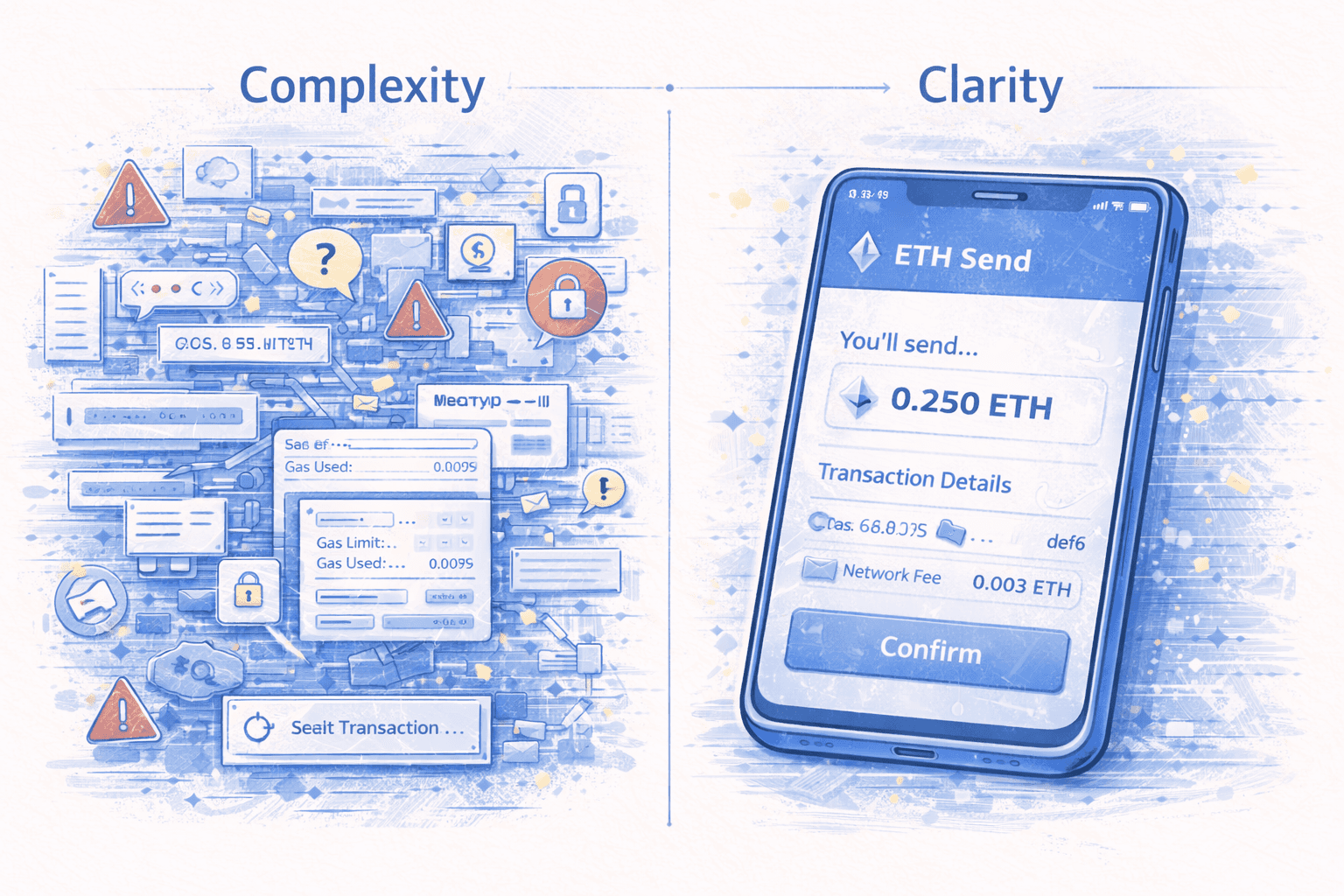
Most Web3 products are built by engineers for early adopters. Concepts like gas fees, signing transactions, or private keys are exposed directly to users. From a UX perspective, this creates unnecessary friction. Good design abstracts complexity without hiding responsibility, helping users understand what matters at the right moment.
DESIGNING FOR TRUST AND RISK
In Web3, mistakes are expensive and often irreversible. UX must acknowledge risk explicitly. Clear confirmations, readable transaction summaries, and human language are essential. Trust isn’t created by flashy dashboards — it’s built through transparency, predictability, and calm design under pressure.
IMPROVING ONBOARDING AND EDUCATION
Onboarding is one of Web3’s biggest weaknesses. Users are often expected to “already know” how things work. Thoughtful UX introduces concepts progressively, educates through interaction, and avoids overwhelming first-time users. The goal is confidence, not memorization.
BALANCING DECENTRALIZATION AND USABILITY
Pure decentralization often conflicts with usability. As a product designer, my role is to find pragmatic balances: progressive custody, smart defaults, and optional complexity for advanced users. Web3 products don’t need to be all-or-nothing — they need to meet users where they are.
FINAL THOUGHTS
Web3 doesn’t have a UX problem because it’s complex — it has a UX problem because complexity is poorly designed. The opportunity for UX/Product Designers is massive: turning powerful, decentralized systems into products people can actually use and trust. The future of Web3 adoption will be defined not by technology, but by experience.

LATEST BLOG